
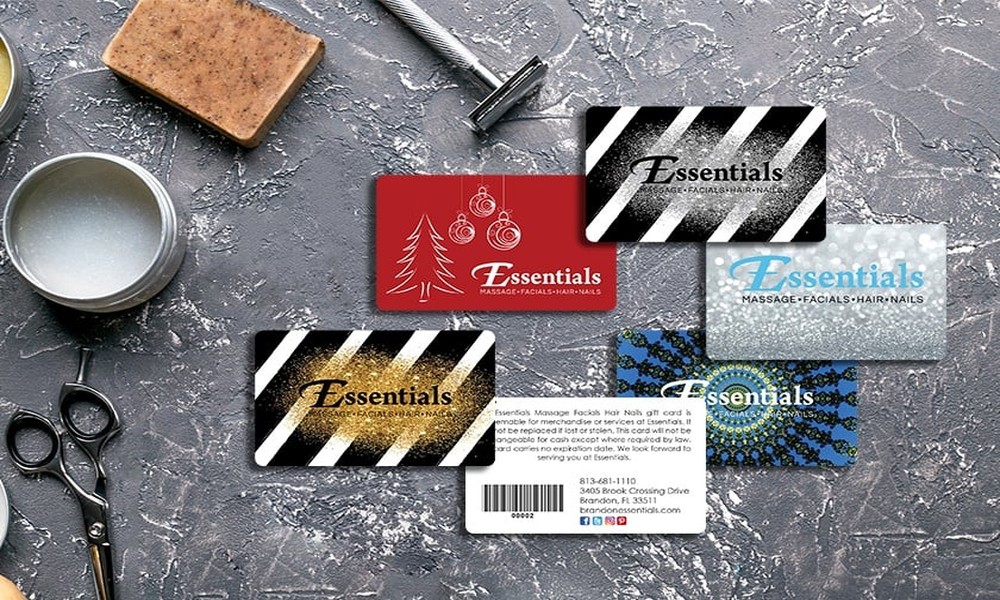
Gift cards are a valuable way to increase your store’s revenue, and one of the most effective channels to promote them is through email. The most successful gift card emails use creativity, urgency, and the fear of missing out (FOMO) to capture customers’ attention during important shopping seasons.
Whether you’re sending gift card mails for seasonal occasions like holidays or targeting customers who selected the gift wrap option at checkout, having a polished email design and following a few key best practices can significantly boost sales.
Explore below seven powerful gift card email templates and expert tips to help you create campaigns that deliver strong results.
What Is a Gift Card Email?
A gift card email is a focused marketing message created to encourage customers to purchase digital or physical gift cards. Beyond direct sales, gift card emails can also be used as rewards for customer reviews, referrals, or major purchases.
Gift cards consistently rank among the most popular items during holidays and special occasions because they offer a convenient solution to gifting challenges. They are more thoughtful than giving cash and help position your store as a trusted and recommended shopping destination.
The most effective gift card emails are visually appealing, communicate value clearly, showcase product choices, and make the purchasing process effortless.
For example, a strong gift card email might feature a prominent “Buy Now” button, display different gift card amounts, and include visuals that highlight how simple and enjoyable it is to give a gift card from your store.
7 Gift Card Email Ideas and Lessons to Learn
Start designing your campaign using email templates, and consider the examples below to refine your messaging and improve your offers.
1. Empower Customers with Choice
A subject line that suggests giving the recipient control, like “Let them choose…,” helps personalize the gift card experience.
The email’s design should feature bold colors and high-contrast call-to-action (CTA) buttons to draw attention. Clear, impactful headings and content that explain a promotional offer – such as an extra bonus for both the sender and the recipient – create value and encourage purchases.
What you can learn from it:
Gift card promotions work best when they offer clear benefits for both parties. Adding a bonus or incentive increases the likelihood of a purchase and creates a win-win situation.
2. Solve the “Hard-to-Shop-For” Problem
Target customers who struggle to find the perfect gift by using a subject line focused on someone who “has it all.”
A simple yet bold design with clean headings and focused messaging highlights the convenience of sending a gift card. The content emphasizes how quick and easy it is to purchase and deliver a digital card.
What you can learn from it:
Position your gift cards as a solution to common gifting challenges. Focusing on convenience and personalization makes your campaign more appealing.
3. Use Urgency and a Playful Tone
Create excitement with a subject line that uses emojis or playful language, turning a typical promotion into something that feels exclusive.
The email should feature bold colors, strategic typography, and conversational copy that breaks away from standard marketing language. Offering a discount or showcasing multiple ways to use the card can further increase interest.
What you can learn from it:
Humor, urgency, and exclusive-feeling offers make your gift card emails stand out. A friendly, casual tone can transform a purchase into a more engaging experience.
4. Highlight Experiences, Not Just Products
Appeal to emotional motivations with a subject line focused on the gift of experience, like “Give the gift of adventure.”
A minimalist design with simple visuals and a clear message encourages personal choice and highlights the emotional value of gifting an experience. The color palette should align with your brand’s tone and message.
What you can learn from it:
Urgency and emotional storytelling improve engagement. Instead of focusing solely on the transaction, emphasize the meaningful experience your gift card can provide.
5. Address Last-Minute Shopping Stress
Use a relatable subject line like “No time? Give a gift card!” to appeal to last-minute shoppers.
A friendly tone and lighthearted messaging can transform potential stress into a positive solution. Warm colors and empathetic language make the email feel more personal and thoughtful.
What you can learn from it:
Acknowledging real customer struggles builds trust and connection. By presenting gift cards as a stress-free solution, you make the purchase decision easier.
6. Offer a Simple Solution
Keep it casual and stress-free with a subject line that reassures customers, such as “No present? No worries.”
A clean, minimalist design with conversational language can make the email feel approachable and helpful. Highlight how easy it is to buy and send a gift card, especially for last-minute situations.
What you can learn from it:
Playful language and empathy toward customer challenges can transform anxiety into an opportunity. Presenting gift cards as a quick solution helps increase sales.
7. Simplify the Process
Use a straightforward subject line that outlines the steps – like “Buy, print, & give” – to make the process feel easy and approachable.
A minimalist design with a step-by-step breakdown can make purchasing a gift card feel effortless. Clear instructions reduce hesitation and help customers act quickly.
What you can learn from it:
Simplicity and direct messaging are powerful tools. Breaking the process into clear steps removes barriers and increases conversions.
Conclusion
Email marketing remains one of the most effective tools to boost gift card sales, especially when paired with thoughtful messaging, strong design, and a customer-focused approach. Each example above shows how creativity, emotion, and convenience can turn a simple product into a compelling offer.
By tailoring your emails to different customer needs – from solving last-minute gift dilemmas to promoting unique experiences – you can turn gift cards into a significant source of revenue. The key is to combine strategic messaging with an easy purchasing process to make every email a powerful driver of sales.